.png)


Papua New Guinea Highlands Tribes: How to Visit, What to Expect, and Best Cultural Tours


Quick Facts About Visiting Papua New Guinea Highlands Tribes
|
Papua New Guinea Highlands tribes are among the most diverse Indigenous cultures in the world. The best place to experience them is around Goroka and Mindima, where visitors can stay in villages, meet communities, and take part in cultural performances. These are not untouched cultures, but living traditions shared intentionally by the communities themselves.
Visiting requires local connections and cannot be done independently. This guide is based on first-hand field experience working directly with Indigenous communities in Papua New Guinea Highlands.
For travelers looking for Papua New Guinea cultural tours, the Highlands offer the most accessible and meaningful starting point. Visitors can stay in local villages, meet Indigenous communities, and experience traditions that are still shared today through performance, ritual, and everyday community life. Most cultural visits take place around Goroka and Mindima, which remain two of the most important areas for experiencing Highlands culture.
In the most remote parts of the country, far beyond the road network and deep in the rainforest, there are still communities living very traditionally. Some areas can only be reached after several days of walking. These are not tourism destinations, and ethically they should not be. Communities in those regions are largely left in peace, with only occasional contact through local projects, church missions, or infrastructure work.
The Highlands tell a different story. Here, cultures have already shifted. Daily life has been shaped by Christianity, education, and the wider economy. Many rituals, forms of dress, and ceremonial practices are no longer part of everyday life, but they have not disappeared. They are remembered, maintained, and presented in ways that still carry meaning.
What makes Papua New Guinea exceptional is not the idea of something untouched, but the fact that cultural knowledge is still held, explained, and shared by the communities themselves. In a world where much has already been lost, that is increasingly rare.
Across the country, different regions have developed their own distinct traditions, from Highlands rituals to practices found in areas like the Sepik. You can read more about this in Inside Papua New Guinea’s Crocodile Scarification Ritual.
This guide explores the tribal groups, villages, and cultural traditions that travelers can still visit in Papua New Guinea Highlands. It looks at what you can actually experience on the ground and offers the cultural context needed to understand these encounters beyond the surface.

What to Expect When You Visit Tribes in Papua New Guinea Highlands
Visiting Papua New Guinea Highlands tribes is very different from most cultural travel experiences. There is little tourism infrastructure, and what you encounter is not designed as a product for mass visitors. Instead, you enter real communities where people live their daily lives, and where cultural encounters happen within that reality rather than outside of it.
Access is always based on local relationships. You cannot arrive independently and start visiting villages. Travel in the Highlands is organized through trusted networks, and visits take place only in communities that choose to receive visitors.
Most Papua New Guinea cultural tours include staying in simple guesthouses within or near villages. This allows you to experience everyday life while also taking part in cultural encounters that are shared and explained by the community itself. Understanding this context is essential before visiting, especially for travelers expecting something very different from typical tourism. Understanding this context is essential before visiting, and you can read more in How to Prepare for Indigenous Travel in Papua New Guinea: Culture, Ethics, and What Visitors Should Know.
What Most Travelers Get Wrong About Papua New Guinea
When people search for Papua New Guinea tribes tours or look into visiting tribes in Papua New Guinea, they often arrive with a very specific image. Online, Highlands tribes are frequently shown in full ceremonial dress, with body painting, feathers, and elaborate decorations. It is easy to assume that this reflects everyday life.
It does not.
In reality, what you encounter is contemporary village life. People wear Western clothing, children go to school, and communities are connected to the modern world. Papua New Guinea is not frozen in time, and the idea of arriving in villages where everyone is constantly dressed in traditional attire is simply not accurate.
At the same time, there are still extremely remote communities deep in the Highlands and rainforest that live in much more isolated conditions. These are not places for tourism, and they should not be. Many remain intentionally separate, and even within Papua New Guinea they are not approached casually. They are also far beyond roads and infrastructure. Reaching them would require several days of walking or helicopter access, and these are not journeys arranged for travelers. Visiting them would not be ethical, and in many cases not safe.
What you experience instead is a combination of present-day life and cultural knowledge that is still actively remembered and shared. When cultural encounters take place, they are prepared by the community. People choose to wear traditional attire, paint their bodies, and perform dances, rituals, and ceremonies that reflect their history and identity. These are not part of everyday routines anymore, but they are not invented either. In many cases, they represent ways of life that were still actively practiced within living memory.
This distinction is important. These are not “tourist shows,” but expressions of culture that have long been shared through gatherings where different groups present their traditions and maintain their identity. Events such as the Goroka and Mount Hagen cultural shows began as Papua New Guinean initiatives to preserve cultural diversity, long before international visitors arrived.
What you see during a visit follows that same logic. Culture is not preserved by hiding it, but by practicing and sharing it. This is why visiting Papua New Guinea Highlands tribes is not about observing something untouched, but about engaging with cultures that are still actively interpreted and carried forward today.

If you are serious about visiting Papua New Guinea Highlands tribes, this is the exact journey these experiences are based on. Our small-group trip offers direct access to local communities through long-term relationships that cannot simply be arranged on arrival. This is not a typical Papua New Guinea tribes tour, but a deeper cultural journey built on trust, local knowledge, and meaningful community connection. Papua New Guinea Highlands Tribes 11 to 19 February 2027 9 days, 8 nights €5,500 per person If Papua New Guinea has been on your mind, our February 2027 Papua New Guinea group expedition is now open for bookings. |
Papua New Guinea Highlands Tribes You Can Visit Around Goroka
The Goroka area in the Eastern Highlands is one of the easiest and most accessible places to experience Papua New Guinea Highlands tribes. While much of the country remains difficult to reach, Goroka offers direct access to several communities within a short distance.
Most cultural visits in this region take place in villages located around the Asaro River and towards Mount Gurunboka. From Goroka, many of these communities can be reached in under 30 minutes by car, which makes this area one of the most practical starting points for exploring Highlands culture.
Within this region, travelers can encounter a wide range of cultural expressions. The Asaro Mudmen are the most widely known, but they are only one part of what can be experienced here. In the same area, you may witness the Moko Moko dance, which is connected to post-conflict rituals and ideas of renewal, as well as women’s dances such as Arunumuna, which are tied to traditional marriage systems and community structure. In other nearby communities, more intense ritual expressions such as the Burning Heads performances reflect different forms of symbolism, storytelling, and identity.
What makes the Goroka region unique is not just the variety of these traditions, but how close they are to each other geographically, while still representing very different cultural meanings. These are not performances taken out of context, but expressions that are shared and explained by the communities themselves. For most travelers, Goroka is where the understanding of Papua New Guinea Highlands tribes begins in a more real and grounded way.

Asaro Mudmen: Myth, Performance, and Cultural Identity
One of the best-known cultural groups in Papua New Guinea Highlands is the Asaro Mudmen from the Eastern Highlands. They are recognized for their large clay masks, grey mud-covered bodies, and ghost-like appearance, which has made them one of the most iconic cultural images associated with Papua New Guinea.
According to local oral tradition, the story began during a time of conflict, when defeated Asaro men hid by the river, covered themselves in mud, and returned wearing masks so their enemies would believe they were spirits. Whether understood as history, myth, or a merging of both, the Mudmen remain closely tied to ideas of survival, strategy, and identity.
Anthropological research suggests that the masks in the form they are known today are not as ancient as the story itself. The large clay masks and the visual style associated with the Mudmen are widely believed to have developed more recently, particularly during the early to mid-20th century, as cultural expression became more formalized and later also presented in festivals and public gatherings.
Today, the Asaro Mudmen have become one of the most recognized Indigenous cultural groups in Papua New Guinea. For many visitors, they are often the first encounter with Highlands cultural expression, not because they are the most “traditional” in a static sense, but because their visual identity is so distinctive and widely known.
The Asaro communities are located near Goroka, and visiting them typically involves flying from Port Moresby to Goroka, followed by travel into nearby villages. As with most cultural visits in the Highlands, access depends on local connections and community arrangements rather than independent travel.
What visitors experience today is not a random glimpse into daily life, but a cultural presentation shaped by both history and the present. The masks, the body painting, and the performance are not only visual elements. They communicate a story about conflict, adaptation, and the way communities continue to represent who they are.
For a deeper look at their origin story, symbolism, and cultural significance, you can also read Exploring the Enigmatic Asaro Mudmen of Papua New Guinea.

Moko Moko Dance in Papua New Guinea: An Asaro Post-Conflict Ritual
Moko Moko is a dance tradition associated with the Asaro area in Papua New Guinea’s Eastern Highlands. It is not the name of a separate tribe, but a ritual performance connected to Asaro cultural expression and the wider ceremonial life of the Highlands.
Available descriptions identify Moko Moko as a post-conflict or victory dance performed after warfare, in a context linked to celebration, sexuality, and release. To understand its meaning more deeply, it helps to place it within the broader anthropology of Papua New Guinea Highlands societies, where warfare, alliance, fertility, and social recovery were closely connected.
In many Highlands cultures, reproduction and the continuation of the group were central concerns, especially after periods of conflict. Within that wider context, Moko Moko can be understood as more than a sexual dance. It reflects a cultural logic in which the body becomes a public symbol of vitality, masculinity, fertility, and renewal. Seen this way, Moko Moko is best understood as an Asaro ritual performance tied to recovery, continuity, and the social life of the community rather than simple entertainment.

Arunumuna Women’s Dance in Papua New Guinea: Marriage, Family, and Social Structure
The Arunumuna women’s dance is associated with traditional marriage practices in the Highlands of Papua New Guinea. It is not simply a performance, but part of a wider social system in which marriage was used to build and maintain relationships between families and clans.
During these events, unmarried girls would decorate themselves and dance before the community, presenting themselves in a public setting. However, they did not independently choose their future husbands. Marriage decisions were typically made or approved by parents and elders, reflecting the importance of family authority and clan relationships in Highlands societies.
In this context, marriage was not primarily an individual choice, but a social and economic arrangement that connected groups to one another. Anthropological research across Papua New Guinea Highlands shows that marriage has long played a central role in creating alliances, strengthening social ties, and ensuring stability within and between communities.
The Arunumuna dance can be understood within this framework. The visual aspect of the dance was important, but its meaning went far beyond appearance. It formed part of a structured process in which relationships were negotiated, observed, and ultimately decided within the community.
In the Goroka area today, young people usually choose their own partners, and this practice is no longer followed in the same way in contemporary villages near town. But it is still very much within living memory. Many older people grew up in a world where parents and elders had a strong role in choosing or approving a future spouse, and in some more traditional communities this can still exist to some extent. What the Arunumuna dance shows is therefore not something invented for visitors, but a social practice that was part of real community life until quite recently.

Burning Heads of Gimisave: Fire, Performance, and Cultural Meaning
The Burning Heads of Gimisave are part of the cultural expressions found in the Eastern Highlands of Papua New Guinea, in the wider Asaro region near Goroka. Today, they are known as one of the more visually striking performances in the Highlands, but their origin is rooted in something far more practical.
According to local explanation shared within the community, the practice is connected to agriculture. In the past, when crops were threatened by pests such as birds or insects, people developed ways to protect their fields at night. One of these methods involved wearing tall headpieces made from natural materials and setting fire at the top, creating movement, light, and a strong visual presence that helped to drive pests away from the gardens.
Over time, this practical activity evolved into a cultural performance. What visitors see today is not the original agricultural use, but a representation of it, carried forward and shared by the community in a different context.
Like many cultural expressions in Papua New Guinea Highlands, the Burning Heads are best understood through this shift. What began as a functional response to everyday challenges has become a way of telling a story about the past, while still remaining connected to it.
Seen this way, the performance is not just about visual impact. It reflects how knowledge, survival strategies, and local history are preserved and communicated across generations.

Papua New Guinea Highlands Tribes You Can Visit Around Mindima
The Mindima area in Chimbu Province offers a different kind of cultural experience from Goroka. While Goroka is one of the easiest places in the Highlands to begin cultural visits, Mindima feels more remote, more local, and less shaped by regular tourism.
Mindima can be reached either by flying from Port Moresby to Goroka and continuing by road for about two hours, or by flying to Mount Hagen and driving from there for roughly the same time. Both routes are possible, depending on the wider itinerary.
What makes the Mindima region especially interesting is the variety of cultural groups and performances that can be experienced within a relatively small area. Among the best known are the Skeleton Tribe and the Insect Hunters, both of which reflect very different forms of visual and symbolic expression. The region is also known for striking spirit-like performances around waterfall areas, as well as richly decorated groups connected to ideas of protection, beauty, and status.
What makes Mindima especially special is that it is not only about cultural performances. It is also a place for beautiful village walks, where you can experience everyday Papuan village life in the Highlands with little to no tourism around you. That is what makes Mindima feel so authentic and so memorable.

Skeleton Tribe in Papua New Guinea: Origin Story, Symbolism, and Performance
The so-called Skeleton Tribe is one of the most visually striking cultural expressions found in the Papua New Guinea Highlands, particularly in the Chimbu (Simbu) region around Mindima. Performers cover their bodies in white markings resembling bones, transforming themselves into skeletal figures that immediately stand out in contrast to the surrounding landscape.
Like many Highlands cultural expressions, the meaning is closely tied to local origin stories. These stories are not always “creation myths” in a strict sense, but they play an important role in how communities understand their past, identity, and place in the world.
According to local explanation, the Skeleton Tribe is connected to a story about a cave where a dangerous being or spirit once lived. This being was said to have killed people from the community, leaving behind bones and remains inside the cave. Over time, people developed a way to move safely in that space by transforming their appearance. By painting their bodies like skeletons, they could enter and leave the cave, blending in with the remains and avoiding danger.
Whether understood as myth, memory, or symbolic storytelling, the narrative reflects a common Highlands theme: using the body as a way to represent something beyond the ordinary human form. In this case, the skeletal appearance connects to ideas of death, survival, and the boundary between the living and the spirit world.
Today, what visitors see is a performance based on this story. It is not a literal continuation of the past, but a way of expressing and sharing it. The painted bodies, movement, and visual transformation are all part of how the story is carried forward and made visible.

Insect Hunters in Papua New Guinea: Survival, Movement, and Forest Knowledge
The so-called Insect Hunters reflect a very different kind of Highlands cultural knowledge, one rooted not in warfare or spirit imagery, but in movement, survival, and the practical realities of life in the forest.
According to local explanation, this practice came from a time when men walked long distances through the rainforest while hunting and gathering food. They carried fire with them on their heads, which meant they did not need to stop and build a new fire each time they wanted to cook. As they moved through the forest, they could collect insects, spiders, and other small creatures and place them directly into the fire on top of the headpiece, where they roasted while the journey continued. In that sense, the practice was both highly practical and remarkably efficient, allowing people to walk, gather food, and cook at the same time.
What this reflects is a much deeper knowledge of how to live with the forest. Fire was not separate from movement, and food was not something prepared only after the journey. Everything was integrated into the act of traveling itself. The practice shows how closely survival, environment, and everyday ingenuity were once connected in the Highlands.
Today, this is no longer part of ordinary daily life. According to local explanation, it was still used within living memory, perhaps some fifty years ago, but modern tools and easier ways of making fire have made it unnecessary. What visitors see now is therefore not an everyday practice, but the representation of an older way of moving through the forest and finding food along the way.
For me, one of the most memorable parts of this encounter was that it was not only explained but demonstrated. The group picked spiders on the spot, roasted them, and offered them to taste. I tried one myself, and to my surprise it tasted less like anything exotic and more like grilled fish.

Spiritual Life and Sorcery in Papua New Guinea Highlands
One aspect that helps explain many of these practices is the role of spiritual life and ritual authority in traditional Highlands communities. Across Papua New Guinea, many societies have had what anthropologists describe as men’s houses or spirit houses, places that functioned as centers of ritual knowledge, initiation, and social power.
These were not ordinary buildings. Access was restricted, and the men associated with them held specialized knowledge connected to healing, protection, and what is often described in English as sorcery. In many Highlands societies, illness was not understood only as a biological condition, but also as something caused by spiritual imbalance, social conflict, or unseen forces. Because of this, people would often turn to these ritual specialists when someone became seriously ill.
During our visit, this was presented through a performance that illustrated how such systems were explained locally. Three masked figures emerged from a secluded house, representing these ritual specialists. Their faces were never shown, emphasizing that they were not acting as individuals, but as holders of a role within the community.
They moved from house to house, checking for signs of illness. According to the explanation given on site, diseases such as leprosy and what was described as plague were seen as a serious threat to the survival of the group. In the performance, one child was identified as being affected. The figures forcibly removed the child, while the family cried and tried to intervene.
The demonstration then showed the child being taken away and placed into a deep pit, where the act of burial was symbolically performed in front of us.
From a contemporary perspective, this is deeply confronting. It reflects an extreme way of understanding disease and protection, where the survival of the group could take precedence over the individual. At the same time, it is important to understand that what we witnessed was a representation. It was not a continuation of such practices, but a way of communicating how illness, fear, and responsibility may once have been understood within certain communities.
Anthropologically, this connects to a wider pattern across Papua New Guinea, where ritual specialists were central in dealing with illness, misfortune, and perceived threats. Their role could include healing, protection, and explanation, but also, in some cases, enforcing decisions believed to safeguard the community.

Honey Bee and Green Leaf Girls: Protection, Beauty, and Social Roles
The groups often referred to as the “Honey Bee” and “Green Leaf Girls” represent another layer of cultural expression in the Papua New Guinea Highlands, where visual appearance, symbolism, and social roles are closely connected.
During the performance, married women are dressed in dark, striped body decoration resembling bees or wasps, while younger, unmarried women appear covered in green leaves and elaborate feather headdresses. The contrast between the two groups is immediately visible and forms the basis of the performance.
According to the local explanation, the “Honey Bee” women represent protection. They surround and move around the younger women, creating a visual and symbolic boundary. The “Green Leaf Girls,” on the other hand, represent youth, beauty, and those who are not yet married. Together, the performance reflects a social structure where different stages of life are clearly recognized and expressed.
Rather than focusing on a single story, this performance is built on roles and relationships. It shows how communities distinguish between age groups, responsibilities, and transitions in life, especially around marriage and womanhood.
Like many Highlands cultural expressions, what is seen today is not part of everyday life in the same way it once was, but a way of representing and maintaining these ideas. The use of natural materials, body decoration, and movement brings these roles into a visible form that can be shared and explained.
What stands out in this performance is not only the visual contrast, but the clarity of the message. It is a reminder that in many Papua New Guinea Highlands societies, identity is not only individual, but also defined through relationships, roles, and stages of life within the community.
The Green Leaf Girls are perhaps the most visually stunning of all, dressed in green leaf skirts and magnificent head ornaments adorned with bird-of-paradise feathers. It is one of the most beautiful Indigenous outfits I have ever seen anywhere.

Wii Towai Waterfall: Witnessing the Bird Spirits
One of the most unforgettable cultural encounters in the Mindima area is the visit to Wii Towai Waterfall, where visitors may witness what are often described as Bird Spirits. This is one of those places where landscape and cultural meaning are inseparable. The waterfall is not only visually dramatic, but also understood locally as a significant spiritual place, and the performances connected to it carry a very different atmosphere from village-based visits.
The figures themselves appear in mud-covered forms, with masks and body decoration that give them an almost ghost-like presence. Their appearance is less about precise realism and more about creating something that feels otherworldly, somewhere between human and spirit. In that sense, they are often experienced as something closer to “ghost figures” than to anything familiar, which makes the encounter especially striking.
Reaching the waterfall is part of the experience. The hike takes you through the landscape and can be physically demanding at times, with uneven paths and sections that require balance and focus. The final approach to the waterfall itself is steeper and more challenging, but that effort is also what makes the arrival feel more significant.
Seeing the Bird Spirits in this setting, surrounded by rock, water, and dense vegetation, creates a moment that feels very different from any other cultural encounter in the Highlands. It is not only about what you see, but where you see it.
After the performance, the atmosphere shifts completely. The waterfall becomes a place of everyday life again. The water is fresh and clear, and it is possible to swim there. Local people also come to wash themselves and their hair, and sharing that moment together becomes part of the experience. It brings everything back to a more human level after the intensity of what came before. The walk back to the village is quieter, and often one of the most reflective parts of the day.

Contemporary Music in Papua New Guinea Highlands: String Bands and Everyday Life
Alongside traditional ceremonies and cultural performances, contemporary music plays an important role in everyday life across the Papua New Guinea Highlands. One of the most recognizable forms is string band music, which is widely loved and performed in villages, towns, and gatherings.
String bands typically use guitars and simple instruments, combined with vocal harmonies and storytelling. While the music itself is contemporary, it often carries the same sense of community, rhythm, and expression that is found in older traditions. In some settings, performers may still wear traditional elements or decorations, blending older cultural identity with modern forms of music.
What stands out most is how naturally music is part of daily life. It is not something arranged only for visitors. People gather, play, sing, and dance together, often without any formal structure. Children and adults join in, and the atmosphere is relaxed, social, and inclusive.
For many travelers, these moments become some of the most memorable. After a day of cultural visits, sitting together, listening to music, and dancing with the community creates a completely different kind of connection. It is a reminder that culture is not only something that is performed, but something that is lived.
Ending the day with music, laughter, and shared movement often becomes one of the most genuine and enjoyable parts of the experience in the Highlands.
Birding in Papua New Guinea Highlands: Birds of Paradise and More
Papua New Guinea Highlands is not only about Indigenous cultures, traditions, and history. The region also offers incredibly rich nature, with mountains, valleys, and rainforest landscapes that make it ideal for hiking and longer walks. Spending time in the landscape itself is a big part of the experience, and often just as memorable as the cultural encounters.
One of the most unique aspects of the Highlands is birdlife. Papua New Guinea is home to some of the most extraordinary bird species in the world, including the famous birds of paradise, which are also featured on the national flag. These birds are known for their striking colors, long ornamental feathers, and complex courtship displays, which have fascinated both local communities and outsiders for generations.
Birds of paradise are not large birds, but their presence feels much bigger because of their movement, sound, and appearance. Males perform elaborate dances to attract females, often using specific trees or branches as display sites. In many Highlands communities, these birds have long held symbolic meaning, especially through their feathers, which are used in traditional headdresses and ceremonial dress.
For travelers, birding can be experienced in several areas of the Highlands, including around Goroka and Mindima. While it is possible to see birds of paradise in the wild during hikes or village walks, the easiest way is to visit locations where feeding areas or known display sites have been established. These places offer a much higher chance of seeing the birds up close.
Timing is important. Birds of paradise are most active early in the morning, just after sunrise, which is usually the best time to observe them. A second opportunity can come later in the afternoon, but mornings tend to be more reliable.
Beyond birds of paradise, the Highlands are home to a wide range of other bird species, including parrots, cockatoos, and various forest birds that are less well known but equally part of the ecosystem. Even for those who are not dedicated birdwatchers, simply hearing and occasionally spotting these birds adds another layer to the experience of being in Papua New Guinea.

How to Visit Tribes in Papua New Guinea (Tours, Access, and Logistics)
Visiting Papua New Guinea Highlands tribes is not something that can easily be done independently. The region is remote, infrastructure is limited, and access to communities is based on local relationships rather than open tourism.
If you are still deciding whether Papua New Guinea is the right destination for you, I also recommend reading my guide on safety in Papua New Guinea, where I explain the realities of travel in the country, common concerns, and how visitors can reduce risks through good planning and local support.
Papua New Guinea is not a typical backpacking destination, and it is not a place where you simply arrive and organize visits on the ground. Travel here requires careful planning, local knowledge, and trusted connections within the communities themselves.
Access to villages, cultural performances, and even accommodation is arranged through local networks. This is important not only for logistics, but also for safety and respect. Communities choose when and how they receive visitors, and these visits need to be coordinated properly.
Because of this, working with experienced local partners is essential. It ensures that visits are organized in a way that is both safe for travelers and respectful towards the communities. Most Papua New Guinea tribes tours are organized through small operators who work directly with local communities.
Visit Natives works directly with local families and community leaders in Papua New Guinea Highlands. Through these relationships, it is possible to access places and experiences that would otherwise be very difficult to arrange. The focus is on small groups, ethical travel, and meaningful cultural exchange rather than mass tourism. Today, interest in Papua New Guinea cultural tours is growing, but the number of travelers remains very limited.
If you are considering visiting, you can explore more about Papua New Guinea Highlands tribes through Visit Natives. For travelers, this means that the experience is not only easier to organize, but also more meaningful and responsible. It allows you to move through the Highlands with the right support, while still experiencing the depth and uniqueness of the culture.
Summary
Visiting Papua New Guinea Highlands tribes means experiencing living cultures, not untouched ones. Travel requires local connections, organized logistics, and realistic expectations. For most travelers, the best way to visit is through a small group or tailor-made trip lasting around 7 to 10 days. |

Frequently Asked Questions About Papua New Guinea Highlands Tribes
Are Papua New Guinea Highlands tribal experiences authentic?
Yes, Papua New Guinea Highlands tribal experiences are authentic, but not in the way many travelers expect. In the Papua New Guinea Highlands today, everyday life is contemporary, and people generally wear Western clothing. Traditional body painting, ceremonial dress, and ritual performances appear in specific settings, where they are shared as part of cultural memory and preservation. In the most remote areas of the country, there are still communities living much more traditionally, but those are not places where tourism should generally go. What visitors see in the Highlands is still authentic. It is not untouched culture, but living culture, shaped by change and still carried by the communities themselves.
Can you visit tribes independently in Papua New Guinea?
No, in most cases you cannot visit tribes in Papua New Guinea independently.
Access depends on local relationships, permissions, and logistics that are arranged through trusted partners. Papua New Guinea is not a destination where you can travel independently and arrange cultural visits on arrival. Visits need to be organized through trusted local partners who work directly with the communities.
Where is the best place to see tribes in Papua New Guinea Highlands?
Goroka is one of the easiest and most accessible places to start, with several cultural groups located within a short distance. Mindima offers a more remote and less visited experience, with smaller communities and a different atmosphere. Both areas provide very different perspectives on Highlands culture.
What should I expect when visiting Papua New Guinea Highlands tribes?
You should expect a mix of contemporary life and cultural expression. People live in modern clothing and everyday settings, but cultural performances are prepared and shared in specific moments. You may stay in simple guesthouses, take part in village life, and experience ceremonies, dances, and storytelling explained by the community.
Is Papua New Guinea safe for travelers?
Travel in Papua New Guinea can be safe when properly organized. Papua New Guinea requires careful planning and local knowledge. It is not considered a typical travel destination, and safety depends on where you go and how your trip is organized. Traveling with experienced local partners and trusted guides is essential for a smooth and safe experience.
When is the best time to visit Papua New Guinea Highlands?
Travel is possible throughout the year, but weather conditions and local events can affect the experience. Cultural festivals, such as those held in the Highlands, can be a particularly good time to visit. For birding, early mornings are always the best time, especially for seeing birds of paradise.
Can you combine tribal visits with nature experiences?
Yes, and this is often one of the best ways to experience the Highlands. Alongside cultural visits, you can hike in the surrounding landscape, visit waterfalls, explore villages, and go birdwatching. Combining culture and nature gives a much more complete understanding of Papua New Guinea.
How much does a Papua New Guinea trip cost?
A trip to Papua New Guinea is typically more expensive than most destinations due to its remoteness, limited infrastructure, and the need for local logistics and guides.
For a well-organized cultural trip to the Highlands, you can expect:
€5,000 to €7,000 per person for a 7 to 10 day journey
This usually includes accommodation, local transport, guides, and cultural visits
International flights are typically not included
Lower budgets are difficult in Papua New Guinea. Independent travel is not straightforward, and most meaningful cultural experiences require access through local networks and organized logistics. Higher-end or fully private trips can cost significantly more, depending on the level of comfort, internal flights, and exclusivity of access.
How do you book a Papua New Guinea Highlands tribes trip?
To visit Papua New Guinea Highlands tribes, trips are typically booked through specialized operators who work directly with local communities. Independent booking is not realistic, as access depends on relationships, permissions, and logistics that are not publicly available. Small group expeditions and tailor-made trips are the most common ways to visit, allowing travelers to stay in villages and experience cultural encounters in a structured and respectful way. You can read more about how these experiences work in our guide to preparing for Indigenous travel in Papua New Guinea.
How many days do you need in Papua New Guinea Highlands?
Most travelers need 7 to 10 days to properly experience the Highlands.
This allows time to visit multiple regions such as Goroka and Mindima, take part in cultural encounters, and adjust to travel conditions in a remote environment.
Shorter trips are possible but tend to feel rushed due to distances and logistics.
Why is Papua New Guinea travel so expensive?
Travel in Papua New Guinea is expensive not because of luxury, but because of complexity. Transport is limited, infrastructure is minimal, and access to communities requires coordination through local networks. Everything from vehicles to accommodation and cultural visits needs to be arranged in advance, often in remote areas where there are no standard tourism services. This is what drives the cost, not high-end comfort.
About the Author
This article is written by Annina Sandberg, founder of Visit Natives, a travel company focused on connecting travelers with Indigenous communities through respectful and meaningful experiences in Papua New Guinea, Tanzania, the Sahara, and Norway.
The guide is based on first-hand experience in Papua New Guinea Highlands, working with local communities, visiting villages, and organizing trips on the ground. The experiences described here come from time spent in the region and from long-term relationships with local families and community leaders.
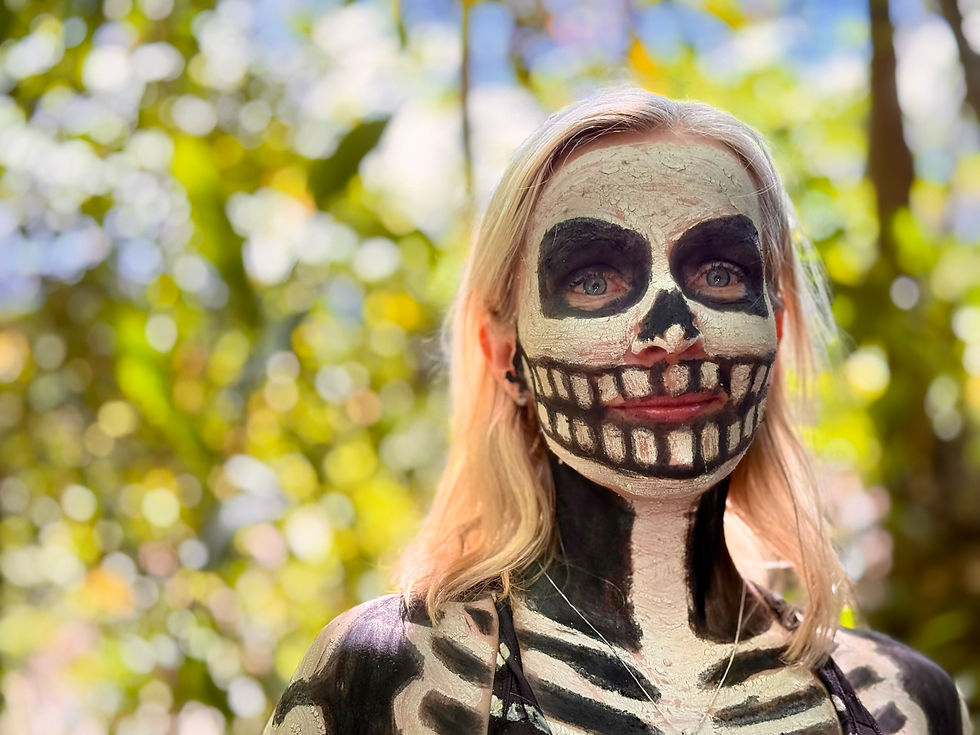
Papua New Guinea is one of the most complex and unique destinations Annina has worked in, and also one of the most misunderstood. This article is written to offer a deeper and more accurate understanding of what travelers can truly experience beyond stereotypes. All images in this article are taken during real visits organized by Visit Natives.


