.png)


A Short Guide for Buying Authentic Handmade Sami Crafts and Gifts (Duodji)

Updated: Dec 21, 2025

Quick SummaryAuthentic Sami handicrafts, known as duodji, are handmade cultural items created by Indigenous Sami artisans across northern Norway, Sweden, Finland and the Kola Peninsula. Because mass-produced replicas are increasingly common, many travellers struggle to identify real Sami crafts. This guide explains what duodji is, how to recognise genuine Sami craftsmanship, where to buy it, and how your purchase supports Sami culture, heritage and local livelihoods. |
What you will learn:
• What “duodji” means
• How to identify authentic Sami handicrafts
• Red flags and how to avoid fake souvenirs
• Where to buy Sami crafts across Lapland
• Why authentic duodji costs more
• How your purchase supports Indigenous Sami artists
Introduction: Why Authentic Sami Crafts Matter
Across Sápmi, the homeland of the Sami people, handicrafts have always been more than souvenirs. Duodji carries identity, family tradition, and centuries of lived knowledge rooted in specific landscapes where Sami life continues today. Whether carved from birch, stitched from reindeer hide, or decorated with tin thread embroidery, each piece reflects a deep relationship with land, reindeer, and seasonal cycles.
To better understand where these traditions are still practiced in everyday life, our guide Where Do the Sami People Live in Norway? A Guide to Authentic Sami Experiences Near Alta explains the regions where Sami culture remains closely connected to place.
Today, travellers often encounter mass-produced imitations made outside Sapmi and sold in tourist shops. These replicas may be marketed as “Sami inspired,” yet they undermine real Sami artisans and make it harder for visitors to recognise authentic work. This guide helps you understand how to buy real Sami crafts with confidence and respect.
Many travelers exploring Sami handcraft also want to understand the deeper cultural world behind it. If you’re curious about Sami spirituality, ancestral traditions and the worldview of Sami reindeer herders in northern Norway, you can read my full guide What Are the Shamanistic Beliefs of the Sami Reindeer Herding People in Norway? It offers a rare look into the spiritual traditions that continue to shape Sami identity today.

What Is Sami Duodji?
Duodji refers to the traditional Sami craft tradition practiced by both men and women across Sapmi. It includes:
• Soft duodji such as textiles, gákti trims, tin thread embroidery, woven bands, leather work and jewellery
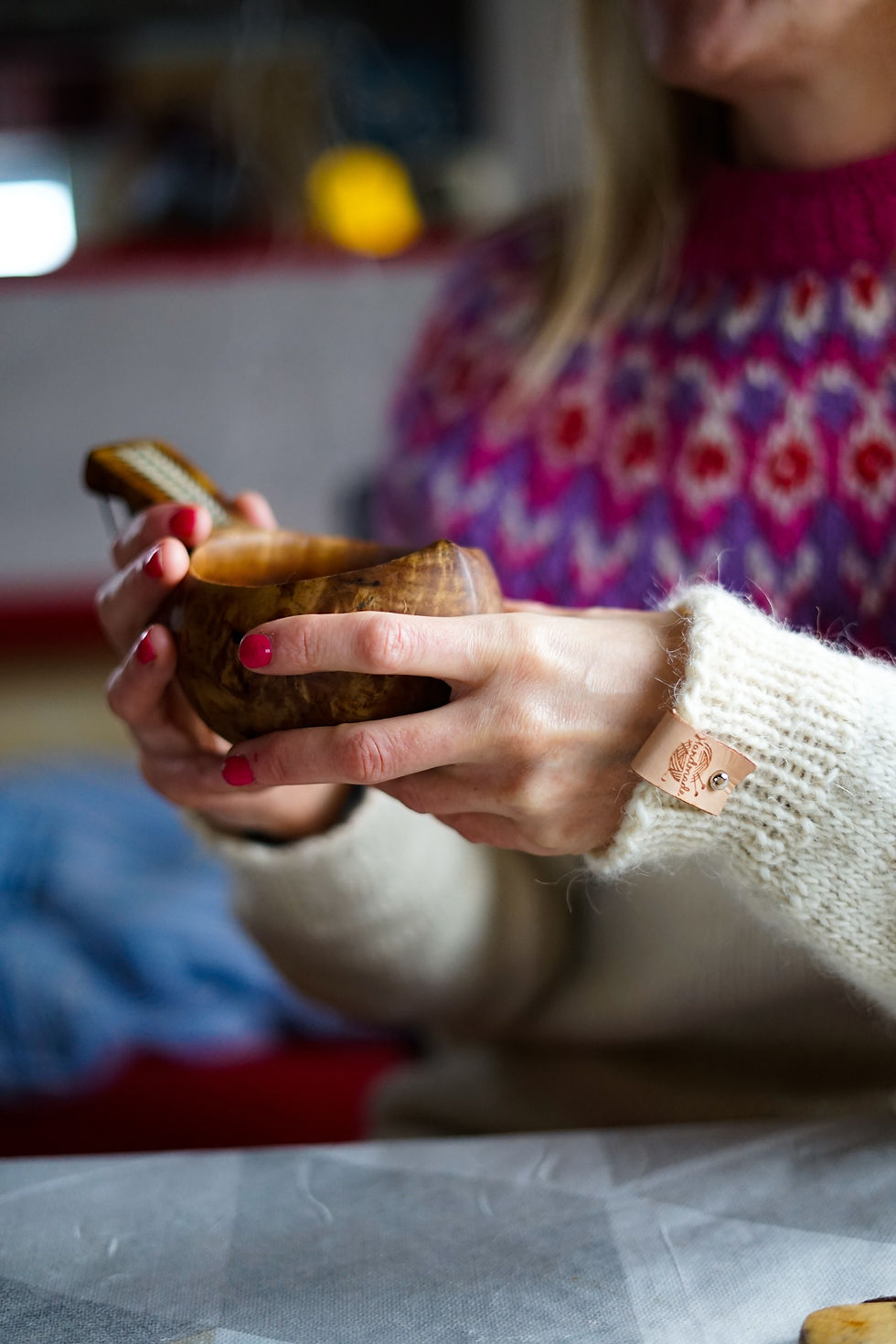
• Hard duodji such as knives, wooden cups (guksi or kåsa), carvings, horn work and decorative objects
Every piece of duodji reflects the maker’s region, family style and materials available in their landscape. Duodji is not simply decorative. Traditionally, every item was designed for practical daily use, shaped by the needs of Arctic life.
Colors, patterns and materials often reveal where a craft originates, making duodji a living cultural language.
How to Identify Authentic Sami Handicrafts
Because Sami handcraft, duodji, is handmade and rooted in specific cultural traditions, you can recognise authenticity through several clear signs:
1. Craftsmanship and Materials
Real duodji uses natural, locally sourced materials:
• Reindeer hide or fur
• Birch, burl, alder or other local woods
• Antler or bone
• Pewter or tin thread
• Wool dyed with natural or plant-based methods.
The item should feel handmade, not factory-produced.
2. Regional Style
Each Sami region has distinct colors, techniques and motifs. Authentic items rarely look identical; small variations indicate real Sami handicraft.
3. The Sami Duodji Label
The Sami Duodji trademark is the strongest guarantee of authenticity.It certifies that the craft was created by a Sami artisan using traditional techniques. When available, this is the safest way to ensure your purchase supports Sami makers.
4. Artisan Transparency
Authentic duodji is almost always sold with:
• The Sami artisan’s name
• Their home region
• A description of materials
• Information about Sami duodji tradition
If a shop cannot tell you who made the item, it is a warning sign.
The Sami relationship with nature is also deeply reflected in their worldview and ancient traditions. If you want to explore how the Arctic sky and the Northern Lights appear in Sámi beliefs, stories and cultural taboos, read 4 Surprising Facts About the Northern Lights and Sámi Culture. It reveals how aurora legends, rituals and respect for natural forces remain central to Sámi identity in northern Norway.

Red Flags: How to Avoid Fake Sami Souvenirs
Unfortunately, many items marketed as “Sami style” or “Arctic crafts” are mass-produced. Avoid items that:
• Are suspiciously cheap • Are identical in every store • Are plastic or synthetic • Have generic “Nordic” patterns • Have no artisan information • Say “handcrafted” but do not specify by whom
Replica gákti, cheap tin-thread bracelets, and wooden cups from China are among the most common fakes.
Buying these directly harms Sami artisans whose livelihoods depend on real Sami duodji.
The History of the Sami Horn Hat (Sarvilakki): Suppression, Revival and Cultural Return
Among the many garments that tell the story of Sami life, the sarvilakki, the horn-shaped four winds hat, is one of the most symbolic. Its sharp silhouette, bright wool fabrics and region-specific details once communicated who you were, where you came from and which landscape shaped your family. But behind its beauty lies a history marked by pressure, misunderstanding and loss.
From the seventeenth century onward, Sami clothing and crafts came under scrutiny from Christian missionaries and colonial authorities across northern Norway, Sweden and Finland. To them, the vivid colours and unusual horned shape of the sarvilakki were not cultural markers but signs of paganism. Missionaries wrote that the hat resembled devil’s horns, and in several regions it was discouraged, confiscated or quietly banned. Families were pushed to adopt European-style clothing, and many began hiding or abandoning traditional garments simply to avoid punishment or shame. Within just a few generations, some of the most distinctive Sami hat styles nearly disappeared.
At the same time, explorers, ethnographers and collectors travelled through Sapmi and carried countless Sami objects far from home. Sarvilakki hats, gákti, knives, jewellery, drums and everyday tools were shipped to museums across Scandinavia, Europe, Russia and North America. Some were bought during times of hardship, others were taken without consent. For the Sami themselves, this meant that important pieces of their own cultural heritage became inaccessible, preserved behind glass in countries thousands of kilometres away.
Only in recent years has this story begun to change. A growing number of museums have started returning Sami cultural items to Sapmi, including horn hats that have been stored abroad for well over a century. The return of each sarvilakki carries enormous significance. These are not only objects coming home; they are teachers. When artisans and elders can once again hold original hats in their hands, lost techniques re-emerge, forgotten patterns can be traced and the quiet knowledge embedded in every stitch becomes visible again. Repatriation does more than correct historical injustice. It restores the living thread of duodji craftsmanship.
Across northern Norway today, you can see this revival happening. Young duodji makers study old hats alongside their elders. Families reconnect with regional styles that had been dormant for decades. New sarvilakki are created using the same materials such as wool, leather and tin thread that their ancestors once worked with under the northern sky. What was driven underground by missionaries and colonial pressure is now returning with pride, strength and renewed visibility.
The sarvilakki is once again what it always was, a living expression of Sami identity, resilience and belonging. Its return marks not only the survival of a craft but the endurance of a people whose traditions continue to rise despite every attempt to silence them.

Where to Buy Authentic Sami Crafts
Here are trusted places to purchase real Sami duodji:
1. Sami Markets and Festivals
Sami artisans gather at winter markets and cultural events.These are the best places to meet makers in person like Jokkmokk Winter Market (Sweden), Rørosmartnan (Norway), Inari/Ánnáro markets (Finland) and markets in Kautokeino and Karasjok (Norway).
2. Sami Handicraft Associations
Many regions have duodji cooperatives or certified stores.
3. Directly From Sami Families
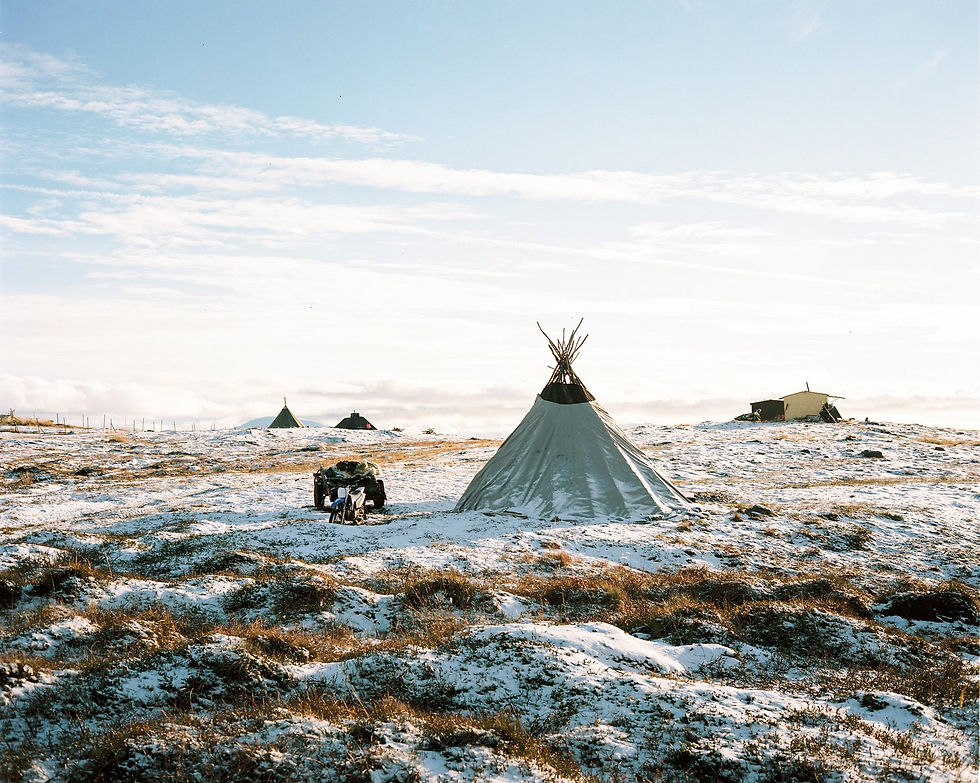
When you travel with community-led Sami hosts, such as those partnering with Visit Natives, you gain access to authentic duodji that never appears in tourist shops. Instead of mass-produced replicas, you can purchase traditional handicrafts directly from families who create them at home using skills passed down for generations.
If you are interested in authentic homestays with Sami reindeer herders in Norway, read more here:https://www.visitnatives.com/book-sami
Why Authentic Sami Handicrafts Cost More
Real Sami duodji is not expensive because it is “touristy.” It is expensive because:
• Every piece is handmade • Materials are natural and locally sourced • Techniques take years to master • Crafts are often produced in small quantities • Sales support Indigenous artisans and families
For example, traditional reindeer-fur shoes require careful cleaning, shaping, stitching and drying. Their price reflects the time, skill and deep cultural knowledge invested in every pair. The Sami themselves make only a few pairs and use them for many years this is the opposite of fast fashion. When you buy real duodji, you are investing in Indigenous art, cultural heritage and the livelihoods of Sami artisans.
How Buying Authentic Sami Crafts Supports Sami Culture
For example, traditional reindeer-fur shoes made by the Sami people require meticulous work: cleaning the hide, shaping it, stitching every seam by hand and letting the material dry naturally. This level of craftsmanship is what makes authentic Sami handicraft so valuable. In Sami Norway, duodji is not mass-produced or seasonal fashion; families make only a few pairs for their own use, and each item is designed to last many years. When you purchase genuine duodji, you are supporting the cultural heritage of the Sami people, preserving traditional skills, and investing directly in Indigenous artistry rather than factory-made replicas.
Conclusion: Choose Real, Support Sami Artisans
Authentic Sami handicraft carries the stories, identity and traditional knowledge of the Sami people something no factory-made souvenir can ever reproduce. When you choose real duodji, you directly support Sami artisans, protect Indigenous cultural heritage, and bring home a meaningful piece of Sami Norway rather than a mass-produced imitation.
If you want to understand Sami culture more deeply or meet Sami reindeer herders in their homeland in Finnmark, explore our community-based journeys where you stay with Sami people and learn about their traditions through real daily life.
Authenticity matters. Every choice you make helps keep duodji alive and supports the future of Sami handcraft in Norway.
FAQ: Authentic Sami Handicraft (Duodji) in Norway
What is Sami duodji?
Sami duodji refers to traditional Sami handcraft made by Sami people in northern Norway, Sweden, Finland and Russia. It includes practical items like knives, reindeer-fur shoes, wooden tools, leather bags, textiles and beadwork. Duodji reflects Sami culture, worldview, stories and sustainable use of natural materials.
How can I tell if a Sami craft is authentic?
Genuine Sami handicraft is handmade, uses natural materials such as reindeer leather, wood or horn, and often includes region-specific patterns. Look for the official Sami Duodji label, which guarantees that the product is created by a verified Sami artisan. Avoid cheap replicas made in factories outside Sapmi.
Why do authentic Sami crafts cost more?
Real Sami duodji takes time, skill and generations of inherited knowledge. Every item is handmade with natural materials gathered respectfully from the land. Sami artisans create only a small number of pieces each year, and each item represents living Indigenous heritage not mass-produced souvenirs.
Where can I buy authentic Sami gifts in Norway?
The most reliable place is directly from Sami families, reindeer herders and artisans. Local craft markets, winter festivals and community-led experiences offer the best access to real duodji. When traveling with Visit Natives, guests can also purchase items made at home by Sami families who host visitors.
Is it ethical to buy Sami handicraft as a tourist?
Yes as long as the craft is authentic and the money goes directly to a Sami artisan or community. Buying duodji supports Sami livelihoods, protects cultural traditions and helps safeguard Indigenous rights in northern Norway.
What materials are used in traditional Sami handcraft?
Sami artisans use natural, locally sourced materials such as reindeer leather, reindeer fur, wood, bone, antler, tin thread, fish skin and plant dyes. These materials reflect the Sami people’s deep connection to reindeer herding and Arctic landscapes.
Are Sami crafts the same across all regions?
No. Sami handicraft, Duodji, varies between regions such as Finnmark, Kautokeino, Karasjok, Inari and Jokkmokk. Patterns, colors, shapes and techniques can differ, offering unique cultural identities within the larger Sami community.
Can I meet Sami artisans in person?
Yes. Many Sami reindeer-herding families welcome visitors and show how duodji is made. If you want to visit Sami communities in Finnmark and learn directly from the people who keep these traditions alive, you can explore community-based stays with your Sami hosts.
Is it legal for non-Sami to sell Sami crafts?
Only items made by verified Sami artisans can use the official Sami Duodji authenticity label. While non-Sami can create similar crafts, presenting them as Sami without permission is considered cultural appropriation and is strongly discouraged.
How does buying real Sami crafts support Indigenous culture?
Your purchase helps sustain Sami livelihoods, supports traditional knowledge, and protects cultural heritage from exploitation. Buying authentic duodji ensures that income stays within Sami communities and strengthens the continuity of Sami identity in Norway.

❄️ Stay With the Sami: Experience Real Reindeer-Herding Life in NorwaySleep in a lavvu, share meals with Sami reindeer-herding families, and experience duodji, culture, and Arctic nature the way only the Sami themselves can show you. Our community-based homestays in Finnmark, Norway offer rare access to authentic Sámi life.You’ll stay on family land, learn traditional skills, hear ancestral stories, and directly support Indigenous Sami people and their cultural heritage. |


