.png)


Traveling to the Bush in Tanzania: What to Pack and How to Prepare for a Maasai & Hadzabe Homestay

Updated: Jan 16
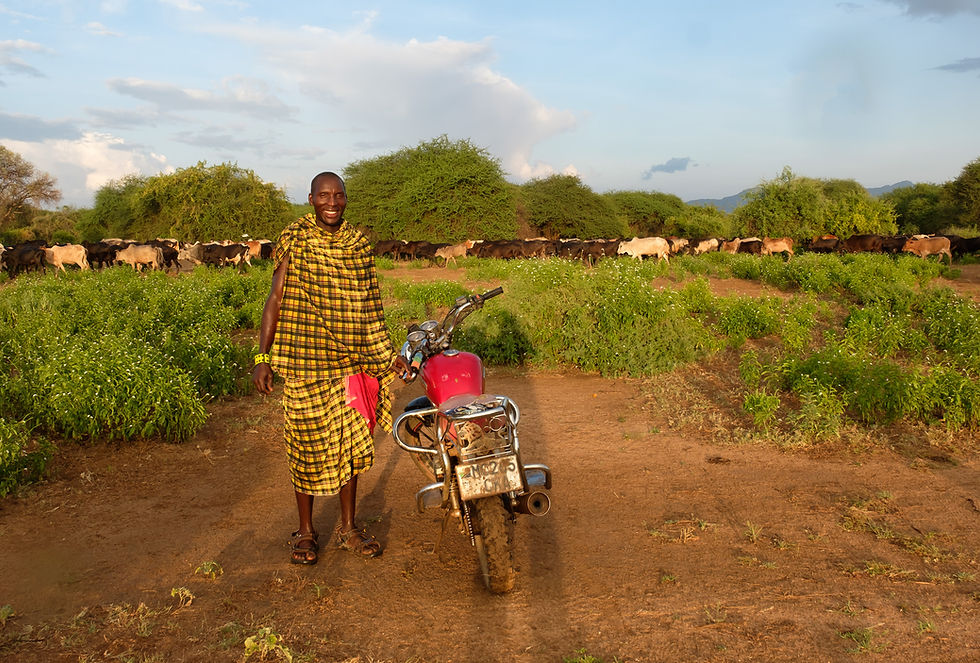
Packing for a Maasai or Hadzabe homestay in Tanzania is completely different from packing for a safari lodge because you live outdoors in the savanna, move on foot and stay in simple bush camps without electricity, shops or hotel comforts. Light breathable long clothing, sturdy shoes, a headlamp, basic hygiene items and a small first aid kit are essential for comfort and safety.
Understanding Tanzania’s weather, the short and long rainy seasons, insects, cultural etiquette and bush routines helps you prepare realistically and respectfully for Indigenous life. This guide explains exactly what to bring and what to leave at home so you can enjoy your Maasai or Hadzabe homestay fully, comfortably and with confidence.

Why Packing for the Bush Is Different From Packing for Safari
Tanzania’s bush environment in Northern Tanzania is defined by wide savannah plains, acacia forests, volcanic ridges, and dry river valleys. Days are warm and dusty, mornings begin with golden light and birdsong, and the rhythm of life follows nature rather than schedules. When you stay with the Maasai or the Hadzabe, you live directly in this landscape in a non-touristic setting. It is not a lodge, not a safari camp, and not a staged cultural village. It is real daily life in the savannah, shaped by two very different ways of living, as explored in Hadzabe vs Maasai Cultural Experiences: What’s the Difference?.
Packing correctly matters because bush life is outdoors, physical and shaped by weather, terrain and community routines. You will walk on uneven ground, sit around fires, help with daily tasks, join bush walks and move between campsites. Good packing keeps you comfortable, prevents overpacking, helps you blend in respectfully and lets you focus fully on the experience rather than your belongings.
This is simple, not extreme. Visit Natives provides many essentials, but understanding the environment and its heat, dust and open landscapes is almost as important as packing for a trek. Knowing where you are going helps you enjoy every moment more fully.

Weather and Rainy Seasons in Northern Tanzania: What Bush Travelers Must Know
Northern Tanzania has two rainy seasons that affect what you should pack for a Maasai or Hadzabe stay. The short rains arrive from late October to early December, bringing brief afternoon showers, fast-moving clouds and cooler evenings. The long rainy season runs from March to May with heavier, prolonged rainfall that can make bush paths muddy, nights more humid and clothing slower to dry.
Outside these periods, the savannah is mostly warm, dry and sunny with clear skies and dusty ground. Understanding these weather patterns helps you pack smarter for real bush life where you spend most of your time outdoors, walking, sitting by fires, and moving between simple campsites instead of staying in lodges.
🛖 Ready to Experience Real Bush Life in Tanzania?Step beyond safari lodges and tourist shows.If you want to stay with real Maasai and Hadzabe families, join daily life, walk the savanna with expert trackers, sit around the fire under the equatorial night sky and learn directly from Indigenous hosts, you can book our cultural homestays in Northern Tanzania. |
Essential Clothing for Bush Life With the Maasai and Hadzabe
Packing for a bush stay in Northern Tanzania is about function, comfort, and respect rather than safari style. You will spend most of your time outdoors, walking on foot, sitting by campfires, moving through acacia grassland and dry riverbeds, and sharing daily life with your Maasai or Hadzabe hosts.
Clothing should be lightweight, breathable, sun protective, and durable enough for dust, heat, and long days in the savanna. Neutral colors are recommended, and modest coverage is important when staying in Indigenous communities. If you would like more context on the environment where the Hadzabe live and how it shapes everyday life, you can read Hadzabe Tribe Location: Where Do They Live in Tanzania?
During the day, lightweight long sleeves and long trousers are essential. They protect you from the intense equatorial sun, biting insects and the thick acacia thorns that are common in the savanna and can easily scratch your legs if your clothing is too open. Evenings can cool down quickly, especially in the dry season, so a warm fleece or light down jacket is useful when you sit outside with your hosts around the fire. Smoke is part of daily life in the bush and your clothes will pick it up, so choose pieces you do not mind smelling like woodfire.
Footwear needs to be practical. Light hiking shoes or comfortable sneakers work well for bush walks and daily activities where you will walk on uneven and sometimes spiky terrain. Open sandals are not suitable for bush walks because of the acacia spikes, but they are perfect for relaxing at the camp after the day’s activities when you want your feet to breathe.
A simple scarf or shawl becomes one of the most versatile items you bring. It protects your neck from the sun, keeps dust out of your face during drives, and works as an extra layer in the evenings. A sun hat is essential because you will spend hours outdoors and shade is limited in the open savanna.
The goal is to dress in a way that supports the landscape rather than fights it. When you pack correctly, clothing becomes something you forget about and you can focus fully on the real reason you are there, which is to live, learn and connect with the Maasai or the Hadzabe in their own environment.
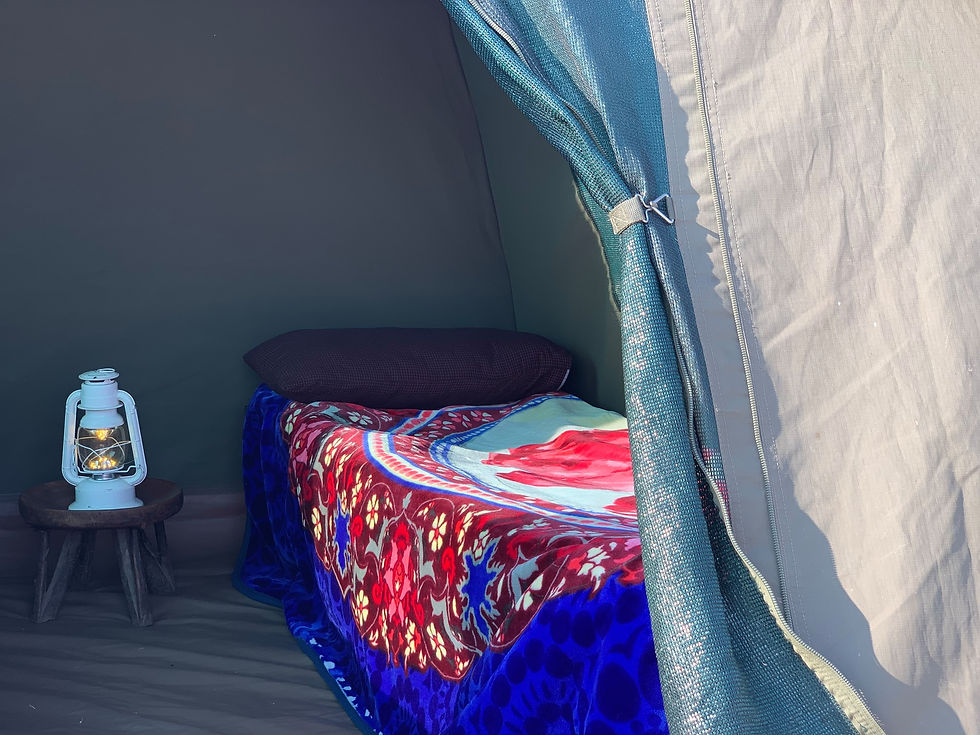
Bush Tip 🐜 The African savanna is home to many insects, so never leave your shoes outside the tent. Keep them inside, as bugs love warm, dark spaces. Always keep your tent zipper fully closed whenever you’re not inside to prevent insects from entering. |

How to Handle Hygiene, Toilets and Washing in the Tanzanian Bush
Most Indigenous communities in rural Tanzania do not traditionally use Western-style toilets. Daily life is shaped by the landscape, and in many areas people simply use nature, which reflects a different environmental relationship rather than a lack of comfort. Pastoralists and hunter-gatherers live in dry, open savanna ecosystems where infrastructure is minimal and mobility is part of survival. Anthropological research shows that open defecation has existed in many land-based cultures for thousands of years, especially in regions where people move with livestock or follow seasonal food sources, and where permanent structures are unnecessary.
In the semi-arid regions of Northern Tanzania, water scarcity shapes every aspect of daily life. Many pastoral and hunter-gatherer groups walk long distances to fetch water, sometimes several hours each way, carrying heavy containers back to camp or boma. Every litre is used carefully and intentionally.
Bathing is minimal and often done near rivers or natural water sources rather than at home, since water is heavy to carry and sometimes transported from long distances, and is used only for cooking. Washing routines in the homestead are simple and practical, focusing on managing dust, smoke and sweat rather than taking daily showers. Cleanliness is also maintained through traditional methods such as using animal fat as a protective lotion and by following a rhythm of hygiene that fits the climate and lifestyle.
During your Visit Natives stay we provide a trekking toilet, which offers privacy and comfort while still respecting the local environment. It is a simple dry system with toilet paper provided, designed to be hygienic without wasting water. There are no shower facilities in the bush, but you can wash your face and hands with soap and warm water prepared for you at camp. For the rest, travelers keep clean using biodegradable wet wipes, dry shampoo, and hand sanitiser, which work well in dry environments where water cannot be used freely.
Maintaining personal hygiene in the bush is not difficult. It simply requires adjusting expectations away from hotel-style routines and toward the rhythms of people who live close to nature. When you understand the role of water, the climate and the mobility of Indigenous life, the experience feels natural, respectful and surprisingly effortless. For broader guidance on how to behave respectfully when visiting Indigenous communities, you can also read our complete guide on ethical travel: How to Visit Indigenous Communities Respectfully: The Complete Guide to Ethical Indigenous Tourism
Bush Tip 💧 Never swim in natural rivers or lakes in Tanzania. Many rivers contain crocodiles and all freshwater sources carry a risk of bilharzia and other waterborne parasites. Bathing is safe only when your host family provides a bucket of water for washing. Do not wash yourself directly in rivers and never put unfiltered or untreated water in your mouth. |
Essential Items to Pack for a Bush Stay in Tanzania
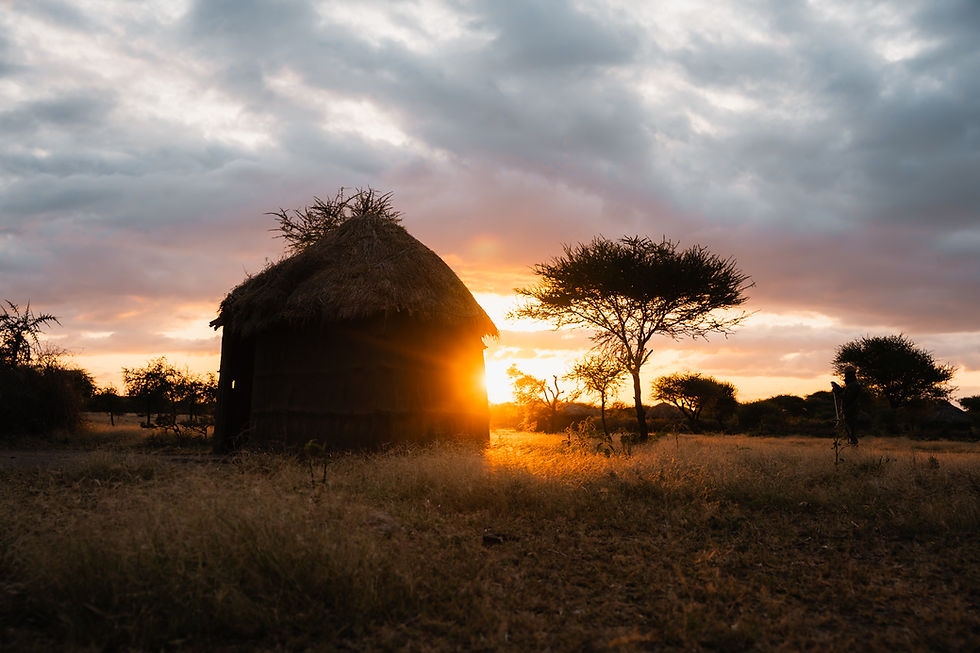
Lighting is especially important. There is no artificial light in the savanna and nights get truly dark, but in return you see the most beautiful equatorial night sky that only exists in Africa. When the moon is full the landscape feels gently lit, but on darker nights a headlamp is essential for moving safely and comfortably around camp.
Since there is no electricity in the bush, bring a reliable headlamp, a small torch and a power bank to keep your phone charged for photos. Visit Natives guests can also charge small electronics in the vehicle when needed, but it is still best to be as self-sufficient as possible.
Personal hygiene also requires a bit of planning because there are no shops nearby. Pack wet wipes, napkins and a small first aid kit with essentials such as plasters, disinfectant wipes, blister care, basic pain relief tablets and any personal medication. Snacks are optional but can be useful on longer days when activities run between meals.
These small practical items make bush life much easier and ensure you stay comfortable while living close to your Maasai or Hadzabe hosts. And if you’d like to see what daily life with the Maasai feels like in practice, you can read my reflections from living in a Maasai village and the four life lessons it taught me.
Bush Tip 💫 At the equator, the night sky is one of the clearest and most dramatic on Earth. You can often see shooting stars because you are closer to the celestial equator, where many of the major meteor streams appear brighter and more frequent. The dry savanna air also has less humidity, which makes the stars sharper and the sky darker. Sitting by the campfire and stargazing is one of the most rewarding moments on a Visit Natives bush trip, a peaceful and timeless experience you will never forget. |

Essential Medications and a Simple First Aid Kit for the Bush
When you stay with the Maasai or the Hadzabe, you are far from pharmacies, shops and clinics. Life in the savanna is shaped by nature, mobility and self-reliance, so having a simple personal first aid kit is one of the smartest things you can pack. It ensures you stay comfortable and prepared for minor issues such as scratches, dust irritation, stomach sensitivity or insect bites, all of which can happen easily in a dry, physical environment.
Your Maasai and Hadzabe hosts use natural bush medicine and you are warmly welcomed to observe and learn from them. Their plant-based remedies and healing methods come from generations of knowledge and are an important part of Indigenous life, and if you are curious to understand this deeper, you can also explore our guide to the most powerful Maasai healing plants. However, if you use Western medication, it is not recommended to mix it with bush medicine because they can interact in ways that are difficult to predict. Indigenous people either use their own traditional medicine or they visit a local health clinic for Western treatment, but they do not combine the two.
Because your hosts treat illness very differently from what you may be used to, it is always a good idea to carry your own small first aid kit. This ensures you can take care of yourself comfortably without placing pressure on the community or relying on remedies that may not suit your health needs.
Pack basic items such as plasters, blister care, disinfectant wipes, pain relief tablets, antihistamines, rehydration salts, hand sanitiser and any personal prescription medication. These everyday essentials do not take much space but make a significant difference in the bush where no shops are available.
Mosquito awareness is important in Tanzania. The country has a diverse mosquito population with multiple species across several genera, but only a smaller number are relevant for disease risk in travellers. For human health, only a small number of species within these groups actually carry diseases such as malaria (for example Anopheles arabiensis, Anopheles gambiae and Anopheles funestus are major malaria vectors in Tanzania) and others like Aedes aegypti and Aedes albopictus transmit arboviruses such as dengue or chikungunya.
Bring a strong DEET-based mosquito repellent or a natural plant-based repellent. Effective natural options include citronella oil, eucalyptus lemon oil, lemongrass oil and neem oil, all of which are traditionally used in East Africa to reduce mosquito activity. You can also minimise bites naturally by wearing light-coloured clothing, especially white, and covering your skin during dusk and dawn when mosquitoes are most active.
When staying in a tent with Visit Natives, you do not need a separate mosquito net. Our tents have screened windows that let in fresh air while keeping insects out. Always keep your tent zipper fully closed whenever you are not inside to prevent mosquitoes and other insects from entering.
Bringing a thoughtful, minimal medical kit helps you feel confident and lets you focus fully on the experience rather than small discomforts.

What Not to Bring to the Tanzanian Bush
Visiting Maasai and Hadzabe communities is very different from staying in safari lodges or traveling in urban areas. The bush environment is dusty, physical and simple, and you live close to the land and close to people. Bringing the wrong items can make your own experience uncomfortable and can also create unnecessary pressure on the host families or the environment.
Leave behind anything you would hesitate to get dusty, smoky or stained. Fancy clothes and delicate fabrics have no place in the savanna. Fine dust travels everywhere, so if you bring a camera, laptop or phone, keep them inside zip-lock bags when not in use. Hard suitcases are also impractical, as they are difficult to handle in jeeps and tents. A soft duffel bag or a backpack works far better.
Avoid bringing gifts that create long-term waste or sugar habits in the community. Plastic-wrapped sweets, packaged snacks and Western-style items are not appropriate. In many traditional communities there is no waste management system, so plastic remains in the environment for years. If you wish to bring something, ask us first. The most appreciated gifts are simple, locally sourced foods from nearby markets, which also support Tanzanian farmers directly. For a deeper understanding of respectful behaviour when visiting Indigenous communities, you can also read our guide on Maasai Village Etiquette: 4 Things to Know Before Visiting Tanzania.
Perfumes, strong deodorants and scented lotions are unnecessary in the bush. Artificial fragrances attract insects, especially at dusk and dawn, and the last thing you want is unwanted insects near your skin or inside your tent. Traditional communities also do not use perfumes, so avoiding strong scents is more respectful.
Hair dryers, curling irons and devices requiring strong electricity have no use in the savanna. There is no electricity in the bush and only small electronics can be charged from the 4x4 vehicle, so these items are better left at home.
White sneakers or delicate shoes will not survive bush life. Fine red dust, cooking smoke and sharp acacia thorns will stain or damage them quickly. Sturdy trekking shoes or trainers are far more practical.
Anything that requires refrigeration is impossible to store in the bush. The climate is warm and nights do not get cold enough to preserve perishables, and snacks containing chocolate melt easily in the heat and attract insects. If you enjoy snacks, bring simple dry options that create no waste. For insight into how hunter-gatherers source and value food in a sustainable way, you can explore our article: 5 Eye-Opening Facts About the Hadza Diet And What Hunter-Gatherers Can Teach Us.
Large amounts of cash are not needed because you will not buy anything in the bush, and it is safer to withdraw any money you need in Arusha before departure. The communities do not use cash markets in the same way cities do.
Expensive jewellery and valuables are best left at home. They are impractical and unnecessary in a dusty outdoor environment where you move around fires, walk through bush terrain and take part in daily activities.
This is a cultural homestay, not a consumer exchange. Respect is shown through presence, curiosity and humility, not gifts or Western objects. Traveling light and intentionally makes the experience more meaningful for you and for the Indigenous communities who welcome you.

Culture Shock and Adjusting to Bush Life in Tanzania
Staying with the Maasai or the Hadzabe is not just a change of environment but a shift in rhythm, expectations and daily habits. Life in the bush moves slowly and intentionally, guided by daylight, weather and community routines rather than clocks, schedules or notifications. For many visitors, this contrast can feel unfamiliar at first.
There are no screens and no artificial lighting after dark. Natural sounds, conversations, animals and the rhythm of daily life replace the constant stimulation of modern environments. Days are structured around simple activities such as walking, gathering, cooking, storytelling and resting. This simplicity is not a lack of comfort but a different understanding of time and presence.
You may also notice that privacy is experienced differently. Daily life happens outdoors and in shared spaces, and curiosity is natural when a guest arrives. Being observed is not impolite. It is a sign of interest and welcome. Responding with openness and patience helps relationships form naturally.
Understanding different lifestyles, family structures and social norms can also be part of the cultural adjustment. Practices that may feel unfamiliar at first often make sense within their cultural, historical and environmental context when approached with openness and curiosity. Learning about how other societies organise daily life can deepen understanding rather than create distance. If you are interested in exploring this further, you may find it helpful to read Why Do Maasai Men Have Multiple Wives? Here’s Why.
Another adjustment is letting go of control. Plans may change due to weather, livestock movements or community needs. This flexibility is part of Indigenous life and learning to adapt rather than resist is key to enjoying the experience.
Most people discover that the strongest culture shock comes not during the stay, but after returning home. After living in a community where daily life is based on shared resources, presence and close connection to nature, modern Western life can suddenly feel fast and shaped by overconsumption and individualism.
It is completely normal to experience emotional ups and downs after an immersive cultural stay. Feelings of restlessness, reflection or quiet discomfort are part of self-reflection and cultural learning. This process is often what truly distinguishes meaningful travel from staying in tourist enclaves or places designed only for comfort.
Travel that goes beyond observation and into lived experience opens perspectives and challenges habits. This kind of learning does not always happen easily or immediately. It unfolds slowly, through reflection, integration and time. Allowing space for these feelings is part of the journey itself and one of the most valuable outcomes of immersive cultural travel.

Frequently Asked Questions About Packing for a Maasai or Hadzabe Bush Stay
How much luggage can I bring on a Maasai or Hadzabe homestay?
You do not need much luggage for a bush stay because daily life is simple and physical and you will spend most of your time outdoors. A soft duffel bag or backpack is best because it fits easily in the 4x4 vehicle and the tent. Hard suitcases are impractical on rough roads and in natural campsites.
Do I need a mosquito net in the bush?
No, you do not need to bring a mosquito net. Visit Natives tents already have screened windows that keep insects out. The most important thing is to keep your tent zipper fully closed whenever you are not inside. Wearing long sleeves in the evening and using repellent adds extra protection.
What shoes are best for visiting Maasai or Hadzabe communities?
Light hiking shoes or sturdy trainers are ideal for bush walks and daily community activities. Acacia thorns are common in the savanna, so open sandals should only be used inside the camp. Avoid white or delicate shoes because dust, ash and thorns can damage them quickly.
Can I charge my phone or camera during the trip?
Yes, but only from the 4x4 vehicle while driving. Bring a power bank so you remain self-sufficient. There is no electricity in the bush.
Is there running water for washing?
No. Your hosts provide warm water in a basin for washing your face and hands. Bathing is done with a simple bucket wash. Wet wipes, biodegradable soap and hand sanitiser are practical to bring.
Are toilets available?
Yes. Visit Natives provides a clean trekking toilet for privacy and hygiene. It is a system designed for the bush environment with toilet paper provided.
How do I manage hygiene without showers?
Use biodegradable wet wipes, hand sanitiser and a small towel for daily freshening. You can wash your face and hands with warm water provided at camp. Hygiene in the bush is simple and based on managing dust, smoke and sweat rather than hotel-style routines.
Do I need special clothing to respect Maasai and Hadzabe culture?
No, but it is respectful to dress modestly and practically. Long trousers, long sleeves and neutral colours work best. Avoid revealing clothing and anything that feels out of place in a rural community setting.
Should I bring gifts for the host family?
Generally no. Many gifts create waste or expectations. If you want to bring something, always ask us first. The most appreciated items are simple, local foods bought in nearby markets, which also support Tanzanian farmers. Avoid plastic-wrapped sweets, packaged snacks or Western objects.
Will I be safe during the bush stay?
Yes. Visit Natives experiences are operated directly with trusted Maasai and Hadzabe families who host guests regularly. The environment is remote but safe, and your guide is with you throughout the stay. Packing correct clothing and a simple first aid kit increases comfort and confidence.
What medications should I bring?
Bring your personal prescription medication and a basic first aid kit: plasters, blister care, disinfectant wipes, pain relief tablets, antihistamines and rehydration salts. Mosquito repellent is essential. Visit Natives provides safe drinking water.
Are mosquitoes a big problem?
Mosquito activity depends on season. Bring DEET repellent or natural plant-based repellent such as citronella, eucalyptus lemon, lemongrass or neem oil. Wear long sleeves at dusk and dawn. Keeping your tent zipped closed prevents insects from entering.
Can I use bush medicine offered by my hosts?
You are welcome to observe and learn from Maasai and Hadzabe traditional plant remedies, but do not mix bush medicine with Western medication. Indigenous communities typically choose one system at a time and do not combine both. For your safety, use only your own medication during the trip.
Can I drink the water?
Drink only the purified water provided by Visit Natives. Do not drink or wash your mouth with river or lake water.

About the Author
Anniina Sandberg is the founder of Visit Natives, an anthropologist, and a field-based travel expert specialising in Indigenous cultures and community-led tourism. She has lived over a year inside an authentic Maasai boma in Northern Tanzania with no electricity, no running water, no Western toilets and no modern comforts experiencing daily bush life exactly as the communities do.
Her work is grounded in lived experience, long-term relationships with Indigenous families, and a commitment to ethical cultural travel. Through Visit Natives, she designs immersive journeys that support land rights, cultural continuity and direct economic benefit for the communities she works with.
Anniina’s writing combines academic insight with hands-on bush knowledge, offering practical guidance for travellers who want to go beyond tourism and step into real life with the Maasai and the Hadzabe.
🛖 Ready to Experience Real Bush Life in Tanzania?Step beyond safari lodges and tourist shows.If you want to stay with real Maasai and Hadzabe families, join daily life, walk the savanna with expert trackers, sit by the fire under the equator sky and learn directly from Indigenous hosts, you can book our cultural homestays in Northern Tanzania. Our experiences are authentic, private and community-led. No staged villages, no mass tourism just real connections and truly meaningful travel. |


