.png)


Best Time to Visit the Hadzabe Tribe in Tanzania (and Why)

Updated: Feb 1
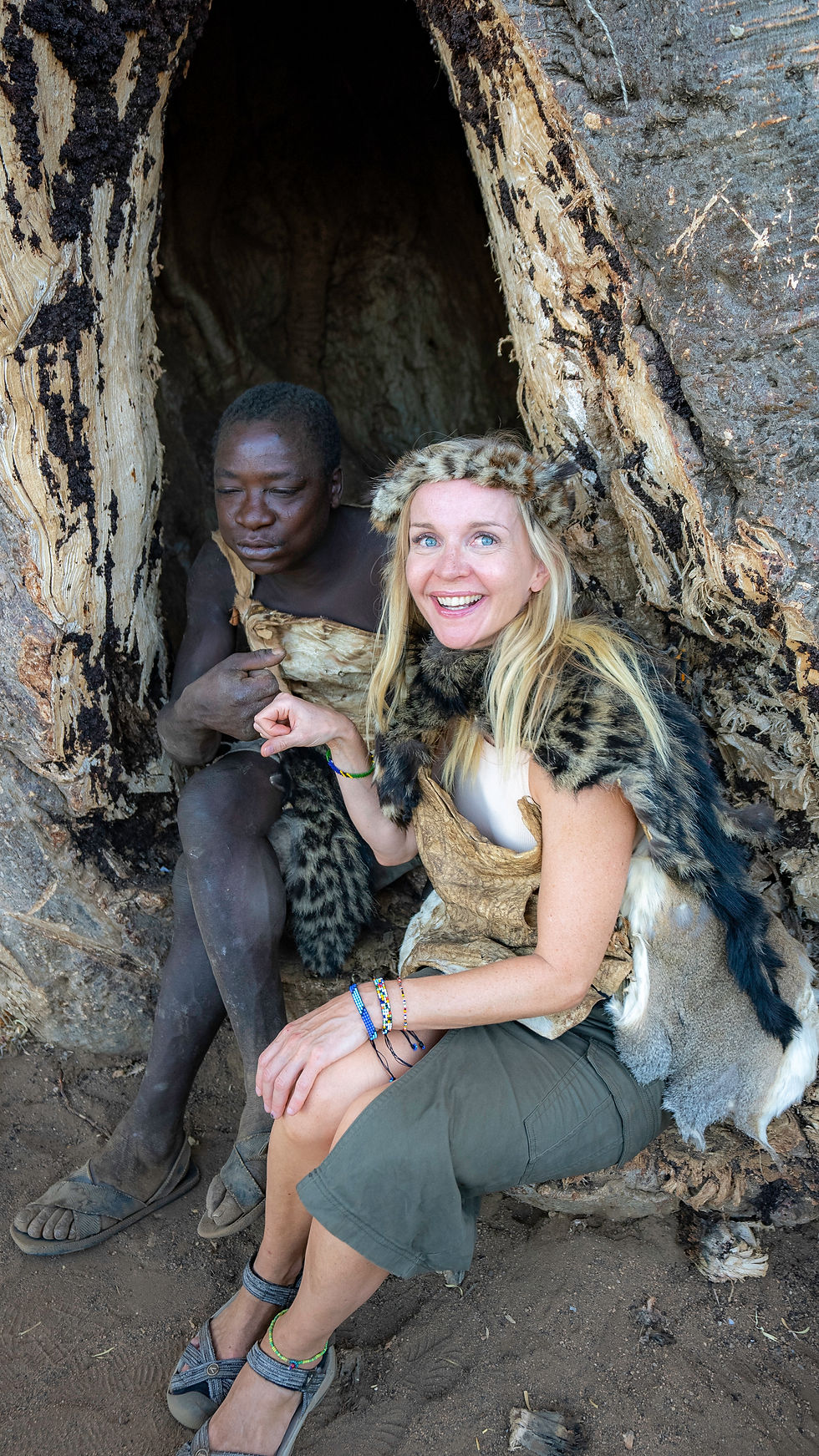
Best time to visit the Hadzabe tribe in Tanzania is not marked on a calendar. Among the Hadzabe of Lake Eyasi, time is measured in nature’s signs such as the hum of bees, the burst of blossoms, and the scent of rain on the wind. Each season opens a different door into their way of life.
Fewer than 1,500 Hadzabe people remain in the world today, making them one of the most endangered cultures on Earth. Their language, traditions, and deep knowledge of the land are unlike any other. Visiting them is not only a journey into Tanzania’s past and present, but also an opportunity to support the survival of a culture that lives in true harmony with nature. You can read more about where the Hadzabe tribe lives in Tanzania in our detailed location guide.
The Hadzabe (Hadza, singular) have never practiced agriculture or animal herding. They live entirely from the land, hunting with bows they craft themselves and foraging for roots, berries, and wild honey. This way of life has allowed them to remain the last true guardians of nature in East Africa. To visit them respectfully is to learn from their skills, their values, and their deep connection to the environment.
Before you decide when to go, you need to understand how the seasons shape hunting, honey gathering, and daily life for one of Africa’s last indigenous hunter gatherer communities. The difference between visiting in September or May can change your experience entirely.
Read this article if you want to know what happens in each season and when you should plan a trip to Lake Eyasi to stay with the Hadzabe hunter gatherers.
What is a Hadzabe experience in Tanzania?A Hadzabe experience lets you live with one of the last hunter-gatherer tribes in the world. You’ll join the Hadzabe on a sunrise hunt, gather wild honey, and share stories by the fire. By booking with Visit Natives, you help protect Hadzabe land and keep their traditions alive. |

Dry Season: Best Time to Visit the Hadzabe Tribe in Tanzania for Hunting Adventures
For many travelers, the best time to visit the Hadzabe tribe in Tanzania is during the dry season from June to October. Around Lake Eyasi, the land turns golden and open, making it easier for the Hadzabe to track animals and for visitors to join them on early morning hunts.
The Hadzabe hunt year round, but the dry season offers certain advantages. This is also why many travelers choose this time for safari experiences and game drives in Tanzania. In the past, Hadzabe hunted large game such as zebra, buffalo, and even giraffe using bows, arrows tipped with natural poison, and extraordinary tracking skills. Today, due to conservation laws and changing landscapes, they focus on smaller game like guinea fowl, francolin, dik-dik, bushbuck, warthog, various birds, and even small mammals such as mice.
These hunts are fast-paced and entirely authentic, guided by knowledge passed down through generations. If you want to learn more about Hadzabe hunting traditions, tools, and what a morning hunt is like, read our full Hadzabe Hunting Guide: Techniques, Tools & Morning Hunt Duration.
The dry months are when the Hadzabe are most active in hunting, as game is easier to find and the mornings are cool enough for long pursuits. Visitors often have the chance to join more than one hunt during their stay, something that is not always possible during wetter months. Between hunts, you may join short foraging walks to gather tubers and seasonal berries that are easier to locate when the grass is low and the ground is dry.
Traveling to the Hadzabe is also easier during the dry season. The dirt tracks leading to Lake Eyasi can become deep mud after heavy rains, but in these months, they are firm and passable. It is literally dry, and a fine layer of thin dust covers the ground, swirling up with every step or passing vehicle. While the dust can cling to clothes and equipment, it is far easier to manage than the thick mud of the wet season, which can slow travel and make access more challenging.
Once you arrive, the open savanna makes it easier to see both the Hadzabe moving through the bush and the wildlife they share it with. Plains game such as antelope, warthogs, and occasionally giraffes may be spotted wandering nearby. The golden light and clear skies are ideal for photography and filming, while the evenings are cool and perfect for sitting around the fire listening to Hadzabe storytelling. The air is less humid than in the wet season, making walking and hunting more comfortable for visitors.
It is in these quiet evening moments that visitors often begin to notice something deeper: there is no one directing the camp, no chief deciding who speaks or what happens next. This absence of hierarchy is central to Hadzabe life and is explored more fully in The Hadzabe Tribe Has No Chiefs: A Rare Culture You Can Still Experience in Tanzania. The air is less humid than in the wet season, making walking and hunting more comfortable for visitors.
It is important to note that the dry season is also the peak period for Tanzania’s safari destinations such as Serengeti and Ngorongoro. Flights and lodges often cost more and sell out quickly. If you plan to combine your Hadzabe visit with a safari, booking well in advance will ensure availability and better rates. The higher prices are balanced by the fact that this is also the best time for wildlife viewing in Tanzania’s national parks.
🔥 Get My FIELDNOTES. Stories from the Hadza Bush I Can’t Always Post Online Join my email list for deeper stories about the Hadzabe: honey hunting, bush skills, baobab season, fire-making traditions, and the quiet wisdom shared around the campfire. |

Honey Season: Best Time to Visit the Hadzabe Tribe in Tanzania for Wild Honey Gathering
The best time to visit the Hadzabe tribe in Tanzania for honey gathering is when blossoms are in full bloom and bee activity is at its peak, usually outside the rainy months. During this period, the Hadzabe balance hunting with collecting one of their most valued foods, always in harmony with nature’s seasonal cycles. The skills, rituals, and ecological knowledge behind this practice are explored in more detail in The Hadzabe Honey Hunters of Tanzania: Wild Honey, Culture, Diet & Honeyguide Bird Explained.
Unlike other people, the Hadzabe do not harvest honey all year. They deliberately leave the hives untouched during the rainy season, giving bees time to recover and produce large reserves. This practice reflects their deep respect for the environment and their role as guardians of the land.
Honey is more than food for the Hadzabe. It can provide up to fifteen percent of their daily energy intake, making it an essential part of their diet. It also acts as a form of currency. Honey is traded with neighbouring tribes in exchange for metal arrow tips and other items they cannot produce themselves, strengthening social and economic ties in the region.
When the season arrives, Hadzabe men, often guided by honeyguide birds, climb tall baobab or acacia trees to reach hidden hives. They use gentle smoke to calm the bees before removing the honeycomb. The raw, floral honey they collect is rich in the taste of wild blossoms, unlike anything found in shops.
Visiting during the honey season offers the rare chance to join the Hadzabe in an activity that connects food, trade, and tradition. Following the path of a bee, hearing the hum of the hive, and tasting honey moments after it is harvested is a once-in-a-lifetime experience that reveals how closely this community lives with nature. If you want to understand more about who they are, their history, and their way of life, read our guide Who Are the Hadzabe Hunter-Gatherers in Lake Eyasi, Tanzania?.
Wet Season: Visiting the Hadzabe Tribe in Tanzania During the Rainy Months
The best time to visit the Hadzabe tribe in Tanzania for lush landscapes, abundant plant foods, and fewer tourists is during the wet season. Short rains usually fall from November to December, while heavier, long rains arrive from March to May.
This is a season of plenty for the Hadzabe. Berries ripen in the bush, wild tubers are easy to dig from the softened ground, and baobab fruit is in season. Hunting continues, but foraging often provides the majority of daily food. It is also the time when beehives are left untouched, giving the bees months to rebuild their honey stores. This seasonal restraint reflects the Hadzabe’s deep respect for the natural cycles that sustain them something we explore in 4 Misconceptions About the Hadzabe Tribe: Tanzania’s Last Hunter-Gatherers.
When the rains become heavy, the Hadzabe may take shelter in nearby caves. Fires are lit inside, and life slows until the storm passes. Sitting in the glow of a cave fire with Hadzabe hosts is a rare and moving experience — a living link to how humans have gathered, told stories, and stayed safe from the elements for tens of thousands of years.
Travel during the wet season is slower. Roads can turn to deep mud, and paths may flood, but the rewards are vivid: green hills rolling to the lake, wildflowers dotting the savanna, and the quiet intimacy of visiting when few others are around. The rains also bring more mosquitoes, so packing strong insect repellent and wearing long sleeves in the evenings is essential. Temperatures are generally warmer and more humid than in the dry season, making early mornings and late afternoons the most comfortable times for activities. If you plan to combine your Hadzabe visit with a safari in nearby parks, keep in mind that wildlife viewing can be more challenging during the wet season, as animals are no longer concentrated around waterholes and tend to disperse across the landscape.

Respectful Travel: How to Visit the Hadzabe Tribe in Tanzania the Right Way
No matter when you decide on the best time to visit the Hadzabe tribe in Tanzania, how you travel is just as important as when. With fewer than 1,500 Hadzabe people remaining, every visit should be rooted in respect. Spend time listening to their stories, observe before photographing, and support community-led initiatives that allow the Hadzabe to share their traditions on their own terms.
If you can, stay longer than a quick day trip, which often allows only a brief glimpse into their way of life. Tour operators like Visit Natives do not offer day trips at all — instead, they take you deep into the savanna to live alongside the Hadzabe. A minimum stay of two nights and three days offers a far more immersive and authentic experience, while ensuring your travel creates a greater positive impact on the community. Travel with respect, and embrace the journey as travel is the best education.
For practical tips on arranging your trip in a way that benefits both you and the community, read our guide: How to Visit the Hadzabe Tribe in Tanzania.
Frequently Asked Questions About Visiting the Hadzabe Tribe
1. When is the best time to visit the Hadzabe Tribe in Tanzania?
The most popular and practical time is the dry season from June to October, when wildlife viewing is at its peak and daily hunting trips are easier to join. However, this is also Tanzania’s safari high season, so flights and lodges can be more expensive. Each season offers a different experience, so the “best” depends on whether you want peak hunting, honey gathering, or lush green landscapes.
2. What is the Hadzabe honey season?
After the rains, from roughly June to August, the Hadzabe collect wild honey — a major source of calories, providing up to 15% of their total energy intake. Honey is also traded with neighboring tribes for essentials like metal to make arrow tips. Learn more in our Hadzabe Hunting Guide: Techniques, Tools & Morning Hunt Duration.
3. Can I visit the Hadzabe during the wet season?
Yes, but expect slower travel due to muddy roads and occasional flooding. Heavy rains typically fall in April and May, when the Hadzabe sometimes shelter in caves — a practice connecting back to early human history. Visiting in the wet season offers solitude and lush scenery but fewer tourists.
4. How long should I stay with the Hadzabe for the best experience?
If possible, avoid quick day trips. A minimum of 2 nights and 3 days allows time to join hunts, share meals, and truly understand their way of life. Tour operators like Visit Natives focus on immersive stays, taking you deep into the savanna rather than rushed visits.
5. Where do the Hadzabe live in Tanzania? The Hadzabe live around Lake Eyasi in northern Tanzania, a remote area surrounded by acacia woodland, rocky hills, and seasonal water sources. Read more in our Hadzabe Tribe Location: Where Do They Live in Tanzania?.

What is a Hadzabe experience in Tanzania?A Hadzabe experience lets you live with one of the last hunter-gatherer tribes in the world. You’ll join the Hadzabe on a sunrise hunt, gather wild honey, and share stories by the fire. By booking with Visit Natives, you help protect Hadzabe land and keep their traditions alive. |
About the Author

Anniina Sandberg is the founder of Visit Natives, a boutique travel company creating immersive stays with indigenous communities in Tanzania, Norway, and Papua New Guinea. With over 20 years of experience in Africa, she speaks fluent Swahili and has lived among the Maasai in Tanzania.
Anniina has guided travelers deep into the savanna to stay with the Hadzabe hunter-gatherers of Lake Eyasi, offering authentic, respectful experiences that help preserve one of the world’s last remaining hunter-gatherer cultures. Every trip with Visit Natives supports local livelihoods, protects cultural heritage, and fosters meaningful connections between travelers and indigenous peoples.


